BPM Breathwork, Contrast Therapy & Stress Resilience Instructor course
Become an advanced instructor teaching science backed and evidence based practices for stress management ,resilience, and nervous system regulation using the BPM method.
Empower yourself with the scientific knowledge and practical skills behind Breathwork, Hot and Cold therapy, and Nervous System work. Learn how to guide others on their journey to stress management confidently and safely. Enhance your professional offerings, develop your personal practice and create a positive impact in your community.
This comprehensive course equips you with evidence based science backed knowledge and practical skills to confidently lead safe and effective Breathwork and ice bath sessions. Learn how to incorporate the breath into Yoga, Pilates, and Fitness classes, Retreats and Corporate events, and how to lead groups safely through Breathwork + Ice Bath sessions by learning the BPM method. Navigate contraindications, understand the Science of the nervous system and the Stress Response, and develop simple but effective techniques for the breath & the cold for individual and group environments.
BECOME A BPM BREATH & ICE BATH INSTRUCTOR

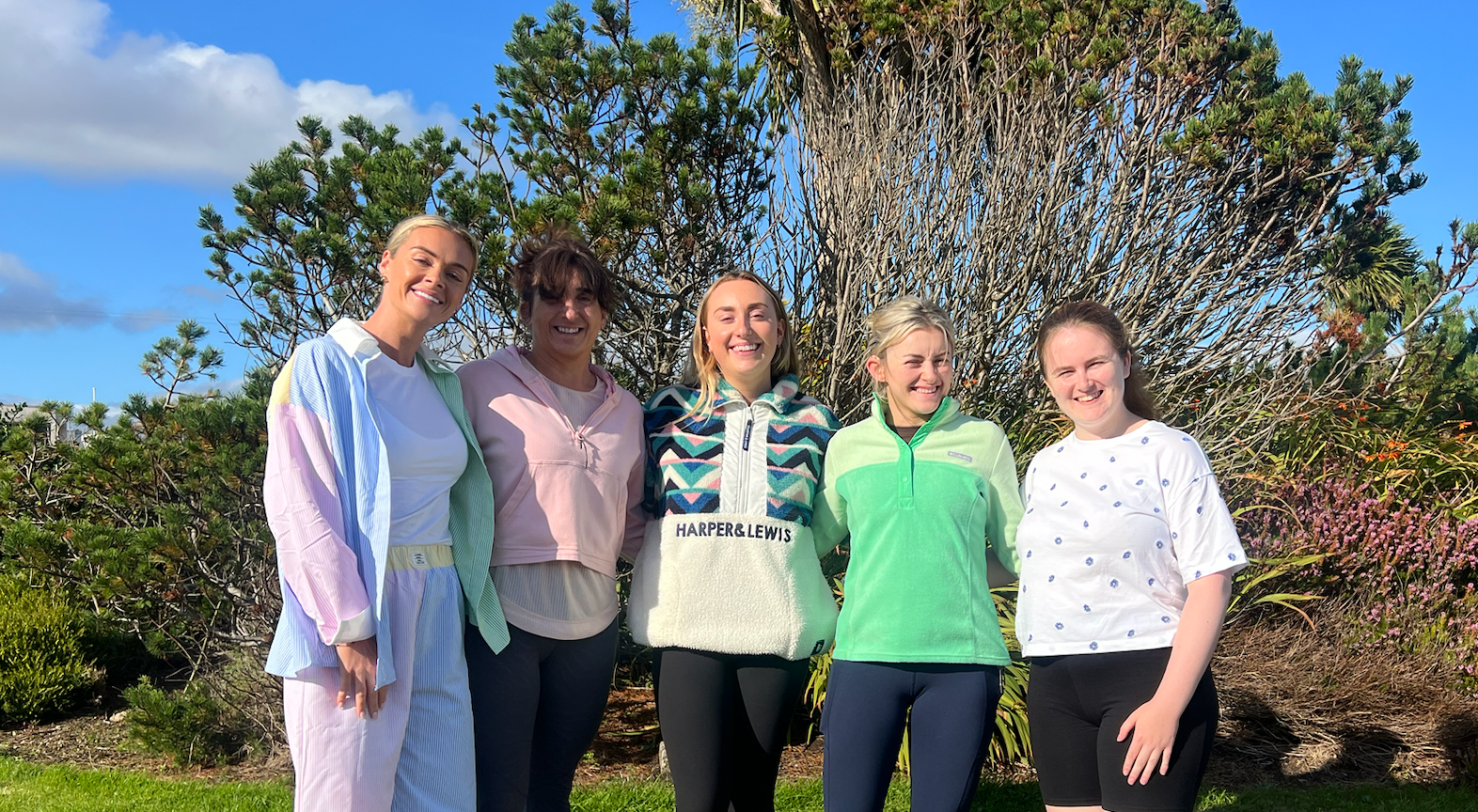
FOUNDER OF BPM METHOD
Becca Gillen
Nurse, Breathwork & Wellness Practitioner
Why I Developed the BPM Instructor Course
I created this specialised training after seeing trending Breathwork and Ice bath practices run globally without the safety, science, or structure needed to guide people responsibly.
With a background in nursing and training in three Breathwork styles plus The Oxygen Advantage, I developed the BPM Method: a science-backed, nervous system–led approach that teaches instructors what they’re doing, why it works, and how to do it safely.
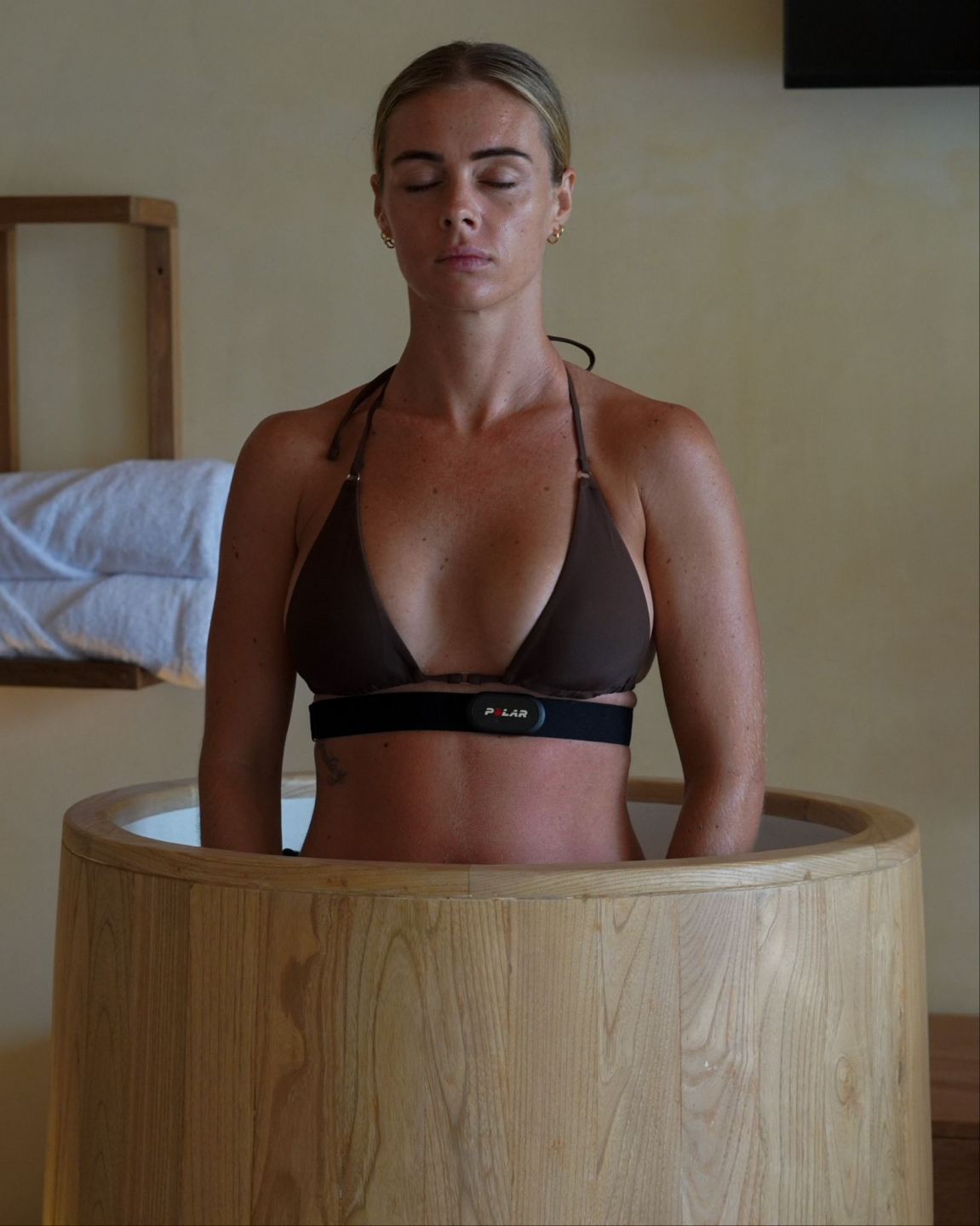
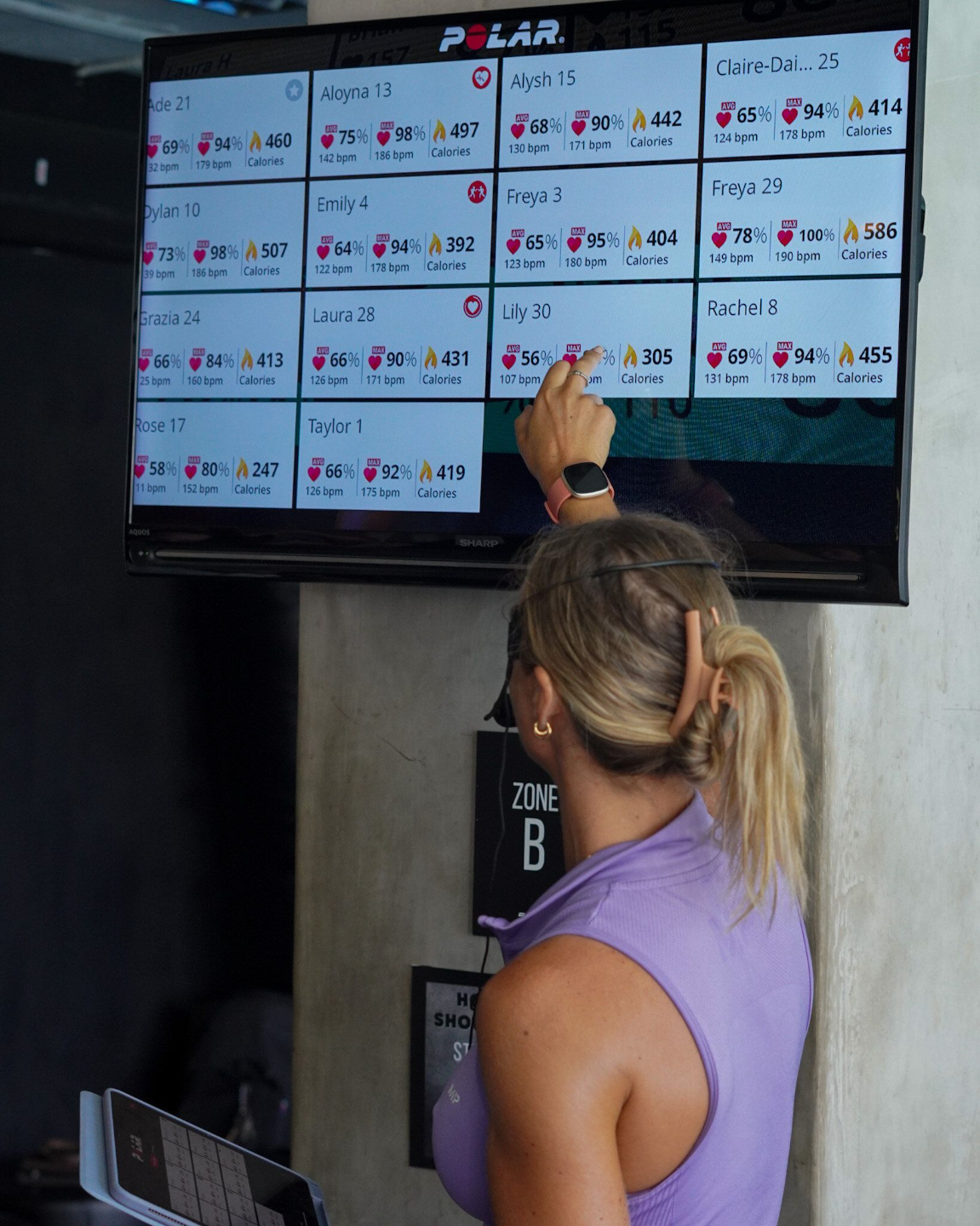
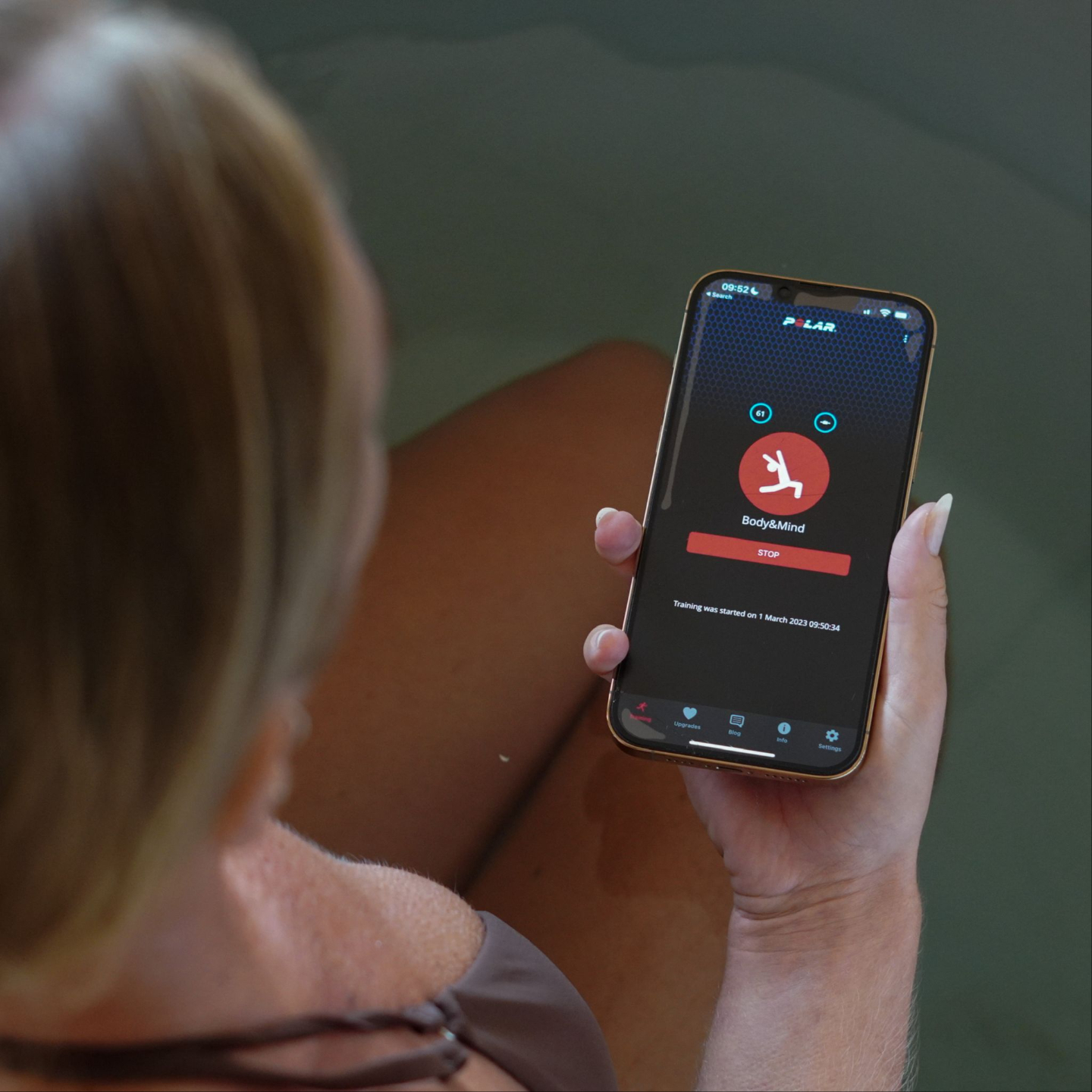
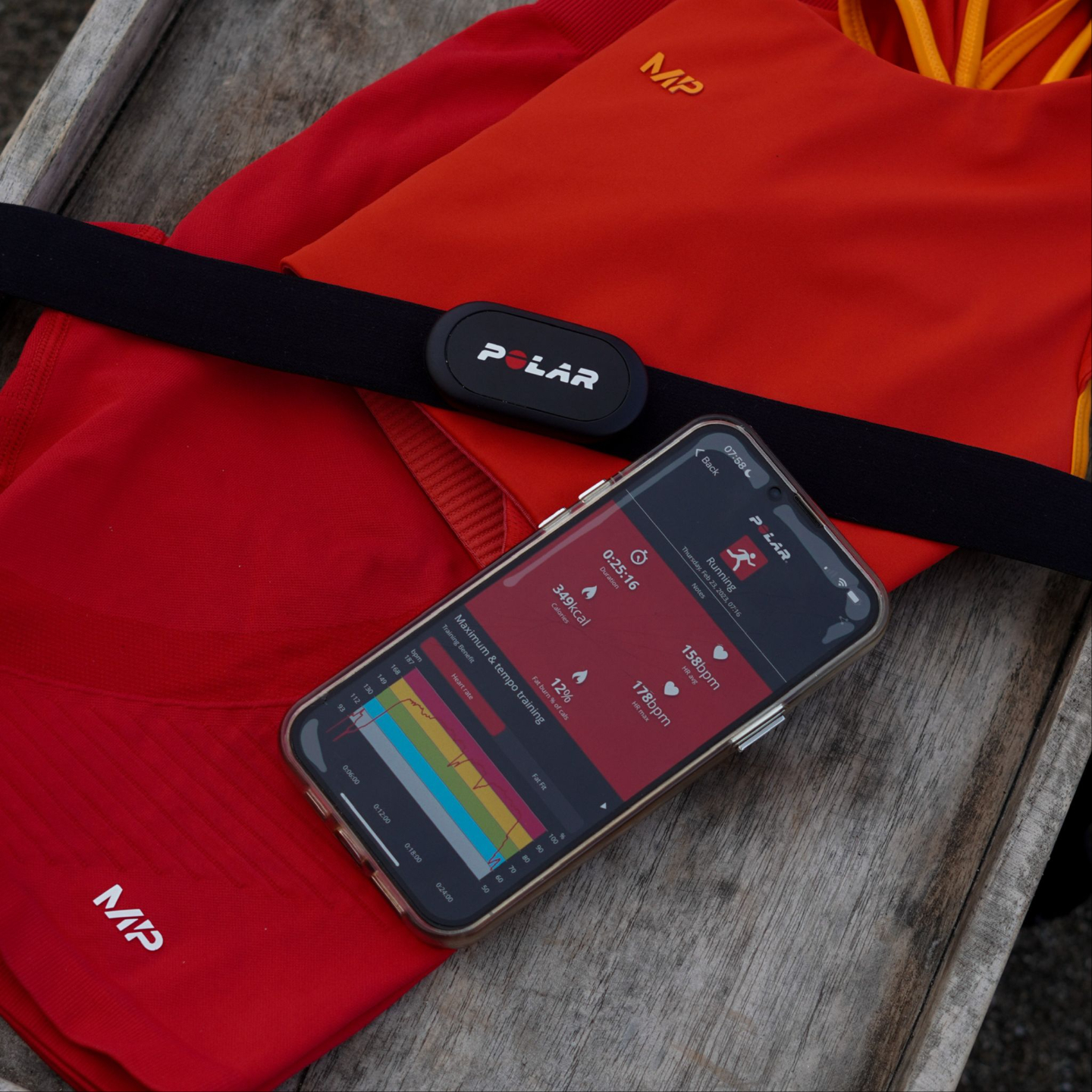
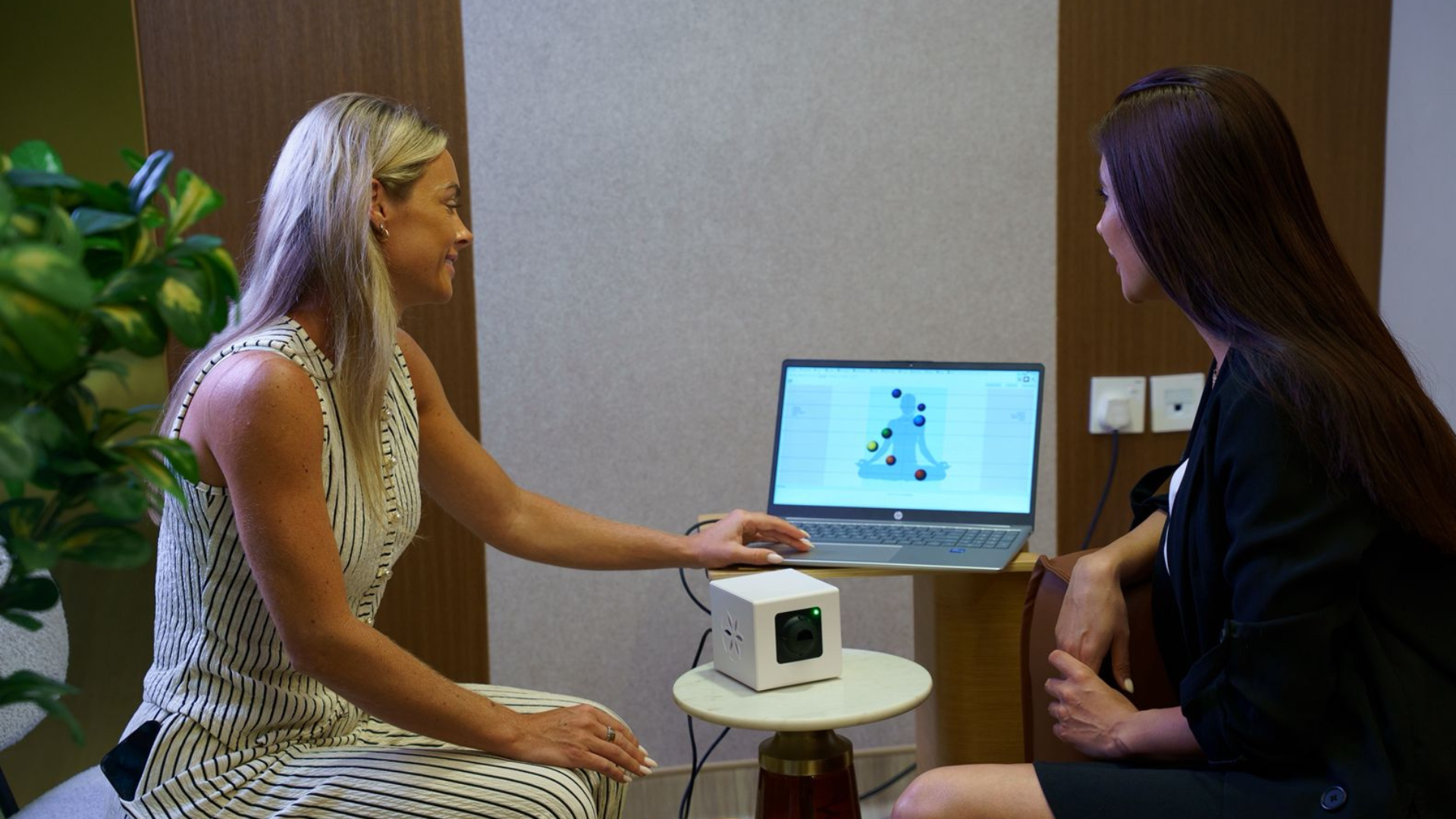
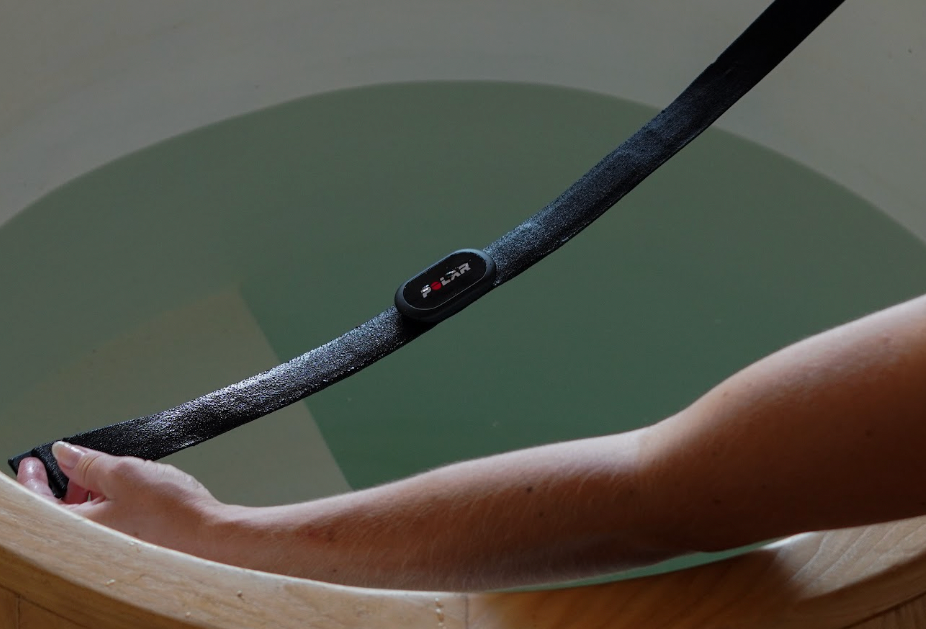
Using heart rate monitors, instructors see in real time how breath, heat and cold impact physiology - helping you design sessions for fitness, yoga, Pilates, corporate wellness, workshops, retreats, and 1–1 coaching.
This training ensures instructors are informed, confident, and capable, delivering effective, safe, and adaptable Breathwork& Contrast Therapy experienes.
My primary goal is to share my proven methods for stress resilience and nervous system regulation through safe, simple, and effective techniques. Our course is grounded in evidence-based and science-backed practices, ensuring you receive the highest quality training in breath and cold exposure facilitation. I am passionate about reaching more people and equipping them with the skills and knowledge necessary for community safety.
Our immersive course combines a retreat-style experience with comprehensive in-house training, making it both educational and enjoyable. Join us to enhance your expertise and become a certified facilitator in this transformative field.
THIS ISN'T JUST A CERTIFICATE
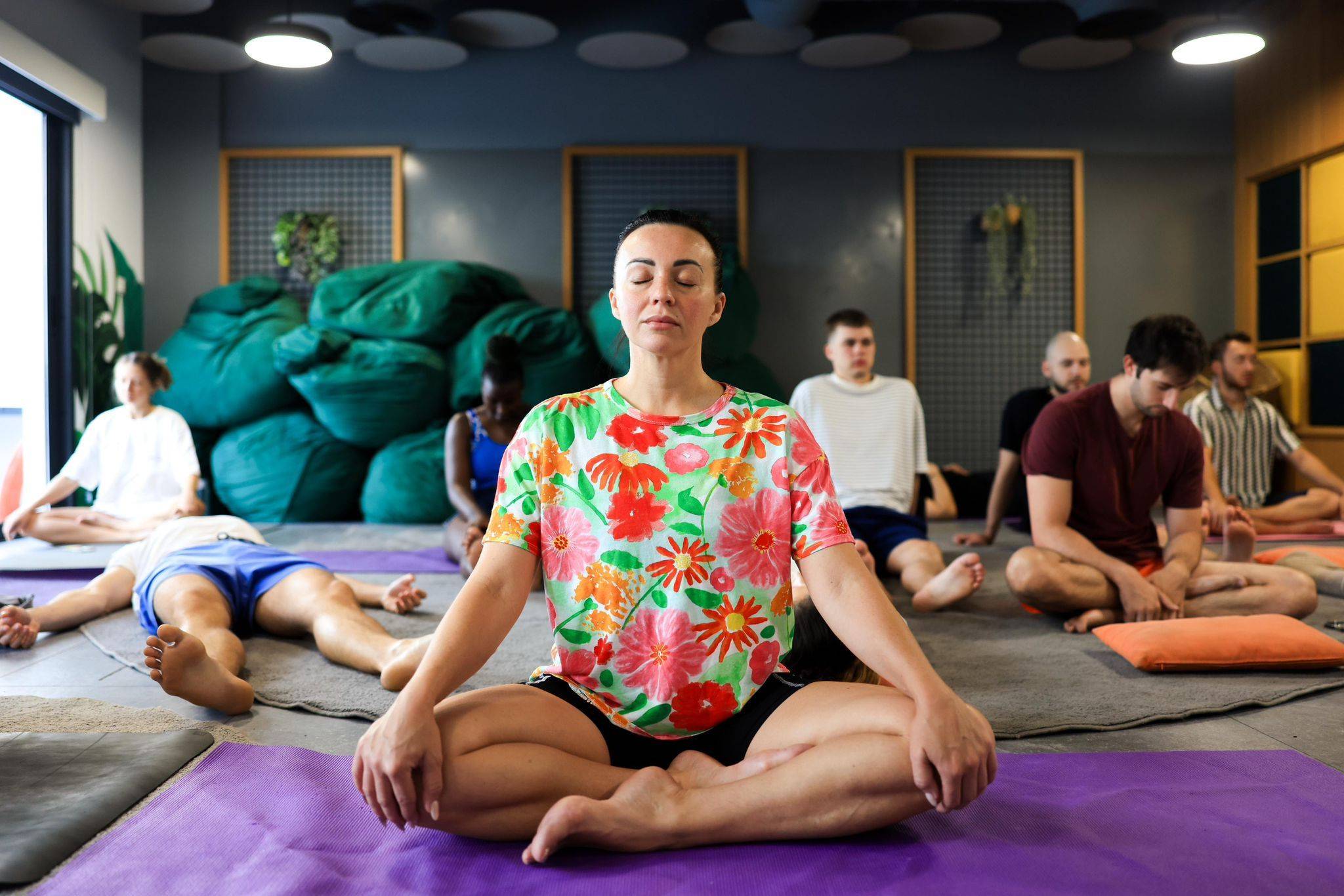
You don't just Learn the BPM Method, you experience it first.
This training is a 4-month journey.
You learn the science.
You experience the method.
You practise the tools.
You become your own case study.
Then you come together for the immersive in-person practical to put it all into action.
Before you guide someone else's nervous system, we ask you to understand your own.
And that's the kind of facilitator I want to create. Someone who doesn't just know the protocol...
but understands the person, the physiology and the experience behind it.
LEARN → EXPERIENCE → BECOME → EMBODY
This is why BPM isn't designed as a quick weekend certification.
It's 4 months gives you time to become the facilitator before you're expected to embody the role.
The knowledge comes first.
Then the experience.
Then the practice.
Then...
the embodiment.
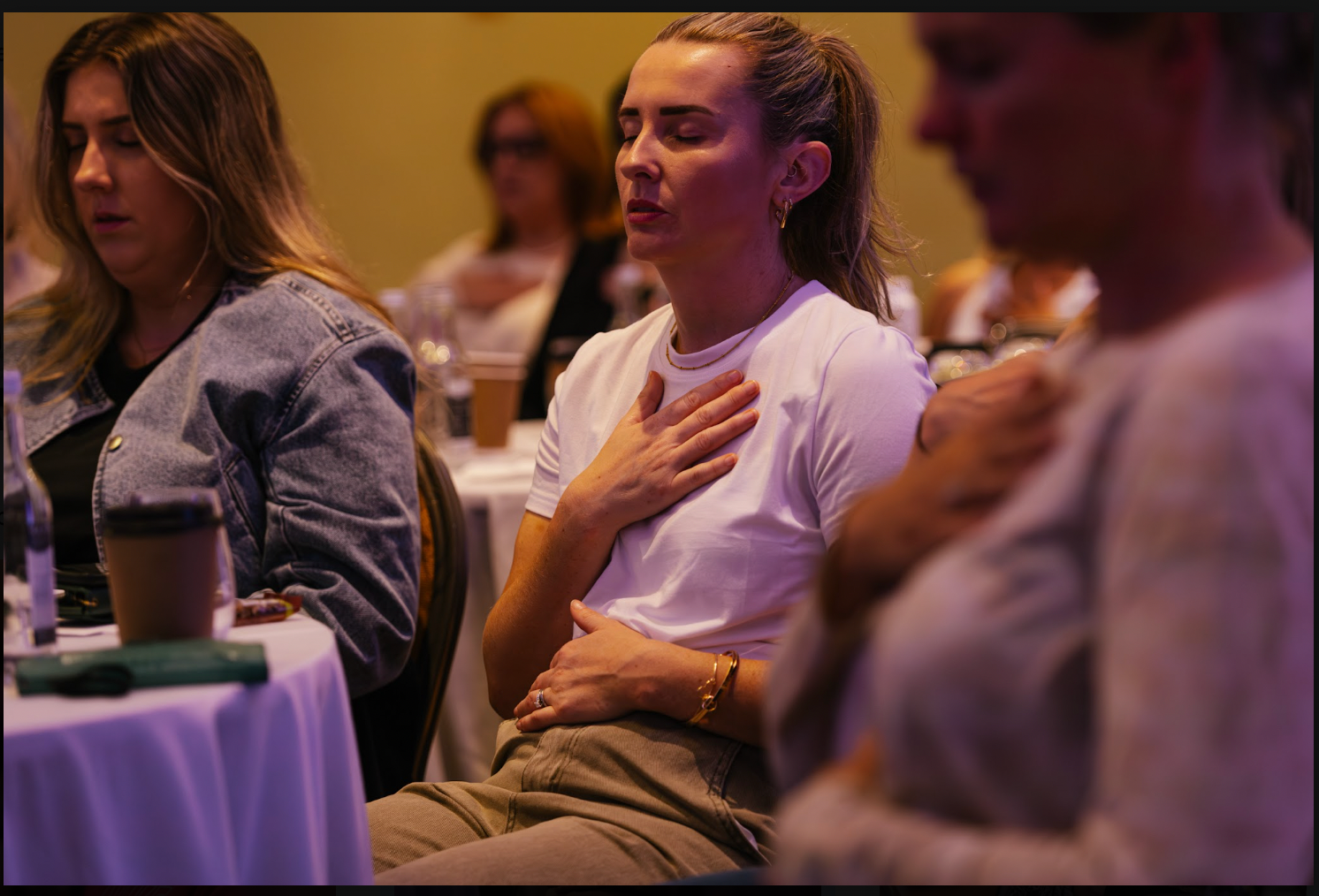
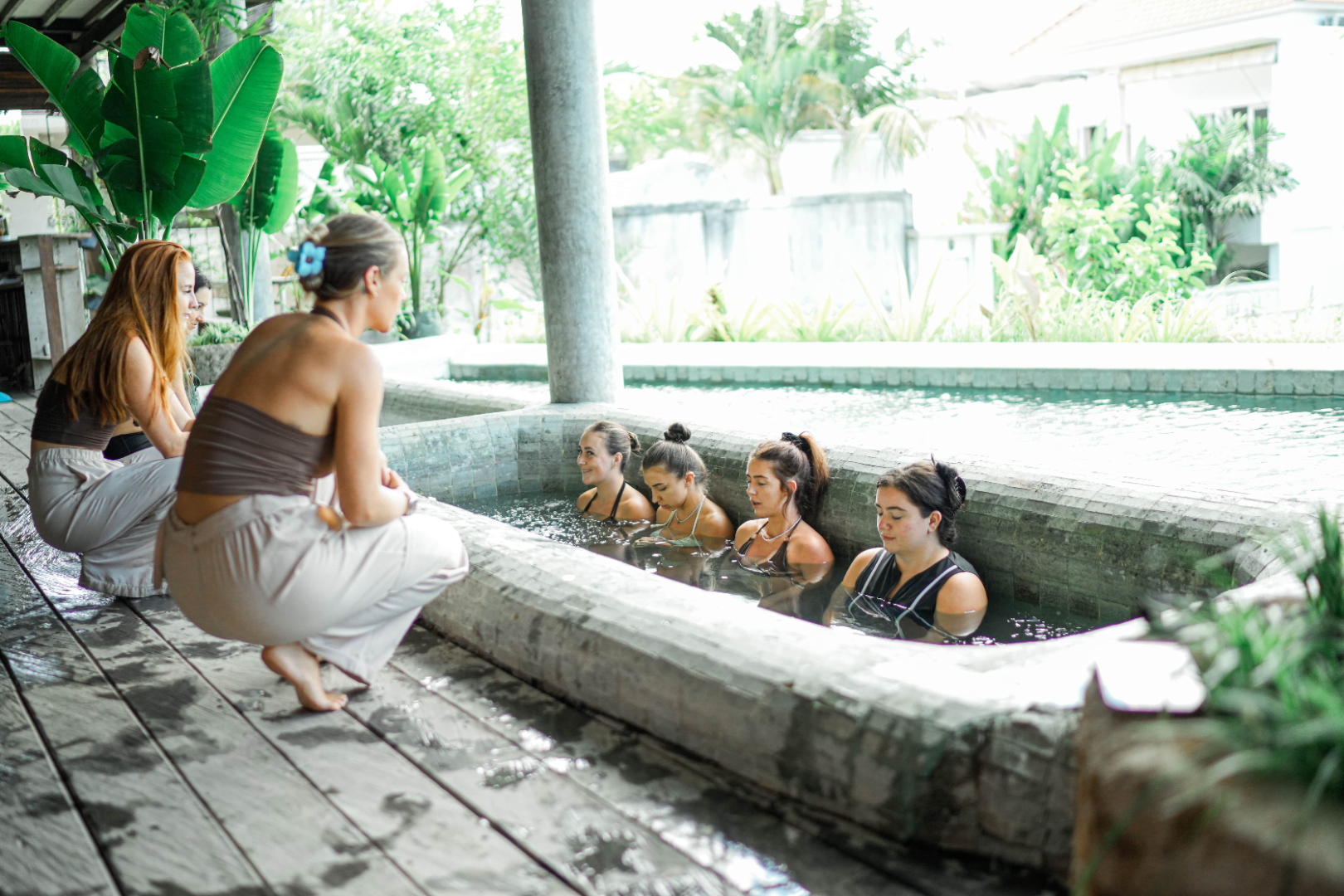
This course is for you if:
- You want to Learn from the Best: Benefit from the expertise of a registered nurse and wellness expert Becca using evidence-based practices proven to lower stress levels, improve mental and physical health, and increase longevity.
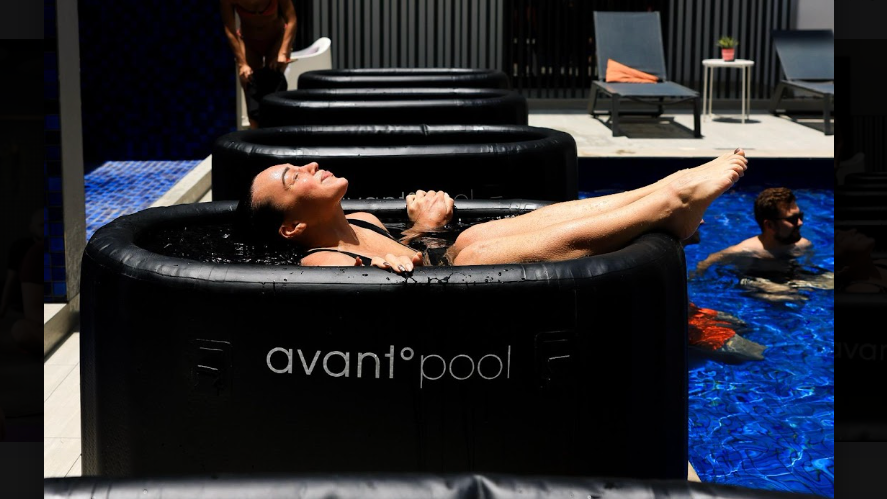
- Enhance your Personal Practice: Spend a transformative weekend in the West of Ireland deepening your practices in Breathwork and Contrast therapy while integrating this learning process.
- Expand Your Skills: Learn to incorporate Breathwork into Yoga, Pilates, and Fitness classes for stress management and nervous system regulation, ensuring safe and effective practices.
- Boost Your Professional Offerings: Elevate your career as a wellness practitioner - Personal Trainer, Fitness instructor, Yoga teacher, Pilates instructor, or running retreats, schools, or corporate wellness days.
- Understand the Science: Gain a comprehensive understanding of the Stress response, the Nervous system, the Power of Breath, and the Benefits of cold exposure.
- Become confident in Instructing and Facilitating the Breath & The Ice: Master the skills to safely and confidently use breathwork and cold exposure techniques to guide individual or group settings.
- Learn Adaptable Protocols: Discover versatile breathwork and ice bath protocols that can be adapted to any environment.
- Get Certified: Become a certified Breathwork and Ice Bath Instructor through an internationally accredited course.
- Boost Your Visibility: Feature on the BPM Method website directory as a certified Breathwork and Ice Bath Instructor.
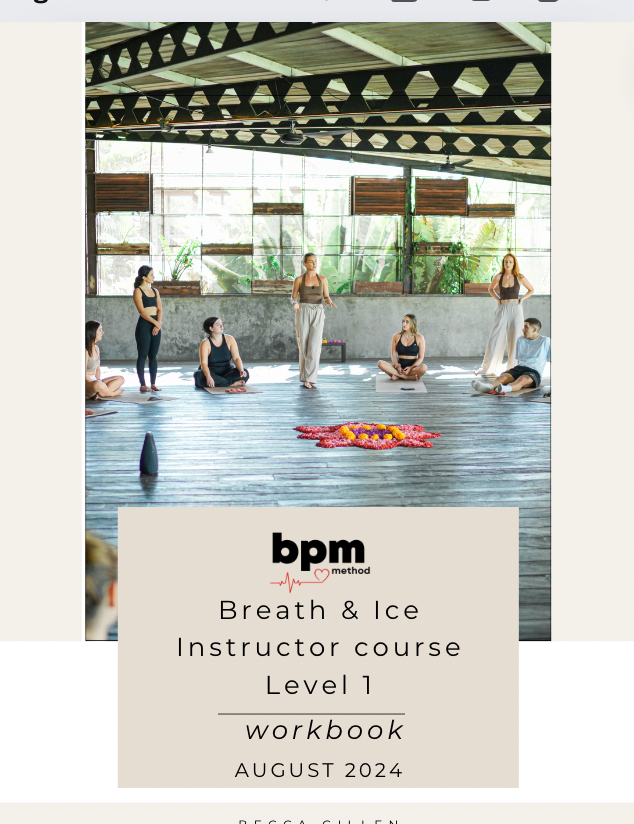
3 Day BPM Breath, Contrast Therapy & Stress Resilience, Facilitator course
(4 months online theory & course material as well as Breathwork sessions with Becca to be completed before the 3 day in-person trainings. This is a 4 month journey of living and experiencing the BPM Method yourself and tracking the changes in your Nervous System)
MODULE 1
The BPM method
An introduction to the philosophy, principles, and science behind the BPM Method, exploring how breathwork, heat and cold exposure can be used to build stress resilience, support nervous system regulation, and develop an adaptable response to stress. Learn about the BPM method and the use of Hormetic stressors for positive adaptations and stress resilience:
- What is the BPM method? Philosophy & Principles
-
The Science Behind the Method: The BPM Method Framework: Science, Breath, Heat, Cold, Data & Adaptation
- Stress Resilience: Stress Up & Stress Down - Building Adaptability
- Why we use monitors for objective measurable data and biofeedback
- Hormesis: Using Controlled Stress to Build Resilience
- Breathwork and Cold exposure for Nervous system regulation and Stress resilience
- Participate in Breathwork + Ice Bath sessions as well as Contrast therapy (Sauna + Cold exposure) with HR monitoring as part of your course: The Importance of Self-Experience, Practice & Embodiment
- Becoming a BPM Breath + Ice Bath instructor
- Implementing the BPM method
MODULE 2
Safety, Contraindications & Duty of Care
This module explores the responsibilities of a breathwork and thermal exposure facilitator, covering contraindications, screening, informed consent, risk management, emergency procedures, and the importance of creating a safe, inclusive environment for every participant.
-
Scope of Practice & Facilitator Responsibilities
-
Screening, Health Questionnaires & Informed Consent
-
Contraindications & Cautions for Breathwork
-
Contraindications & Cautions for Heat and Cold Exposure
-
Risk Assessment & Environmental Safety
-
Recognising Adverse Reactions and When to Stop
-
Managing Dizziness, Panic, Overbreathing & Distress
-
Cold Water Safety, Supervision & Drowning Prevention
-
Heat Illness, Dehydration & Cardiovascular Considerations
-
Trauma-Informed Facilitation & Participant Autonomy
-
Emergency Planning & Incident Management
-
Ethical Practice, Professional Boundaries & Duty of Care
MODULE 3
The Nervous System and the Stress response
This module explores how the nervous system responds to stress and how breathing, environmental stressors, thoughts, emotions, and behaviour can influence our physiological state. Students will learn how to recognise different stress responses and select appropriate tools to support regulation and recovery.
-
The Autonomic Nervous System: Sympathetic & Parasympathetic Activity
-
The Central Nervous System & Peripheral Nervous System
-
Understanding Fight, Flight, Freeze & Other Stress Responses
-
The HPA Axis, Cortisol & The Stress Response
-
Acute Stress vs Chronic Stress
-
Eustress, Distress & Allostatic Load
-
The Breath–Brain–Body Connection
-
The Role of Heart Rate, Heart Rate Variability & Respiratory Rate
-
Stress, Recovery & Nervous System Adaptability
-
Top-Down & Bottom-Up Regulation Strategies
-
Recognising Signs of Activation, Overwhelm & Recovery
-
Choosing Appropriate Regulation Tools for Different States
MODULE 4
Breathing Basics: Anatomy, Physiology & Gas Exchange
This module introduces the anatomy and physiology of breathing, explaining how air moves through the respiratory system, how oxygen and carbon dioxide are exchanged, and how breathing mechanics influence the body's internal environment.
-
Anatomy of the Respiratory System
-
The Diaphragm & Primary Muscles of Respiration
-
Rib Cage Mechanics & The Mechanics of Breathing
-
Inhalation, Exhalation & Respiratory Muscle Function
-
Ventilation, Perfusion & Gas Exchange
-
The Role of Oxygen (O₂) & Carbon Dioxide (CO₂)
-
Haemoglobin, Oxygen Transport & Oxygen Delivery
-
The Bohr Effect & Oxygen Release to Tissues
-
CO₂, Blood pH & Acid–Base Balance
-
Chemoreceptors & The Regulation of Breathing
-
Respiratory Rate, Tidal Volume & Minute Ventilation
-
What Happens During Overbreathing & Hypocapnia
-
Breathing Mechanics During Rest, Exercise & Recovery
MODULE 5
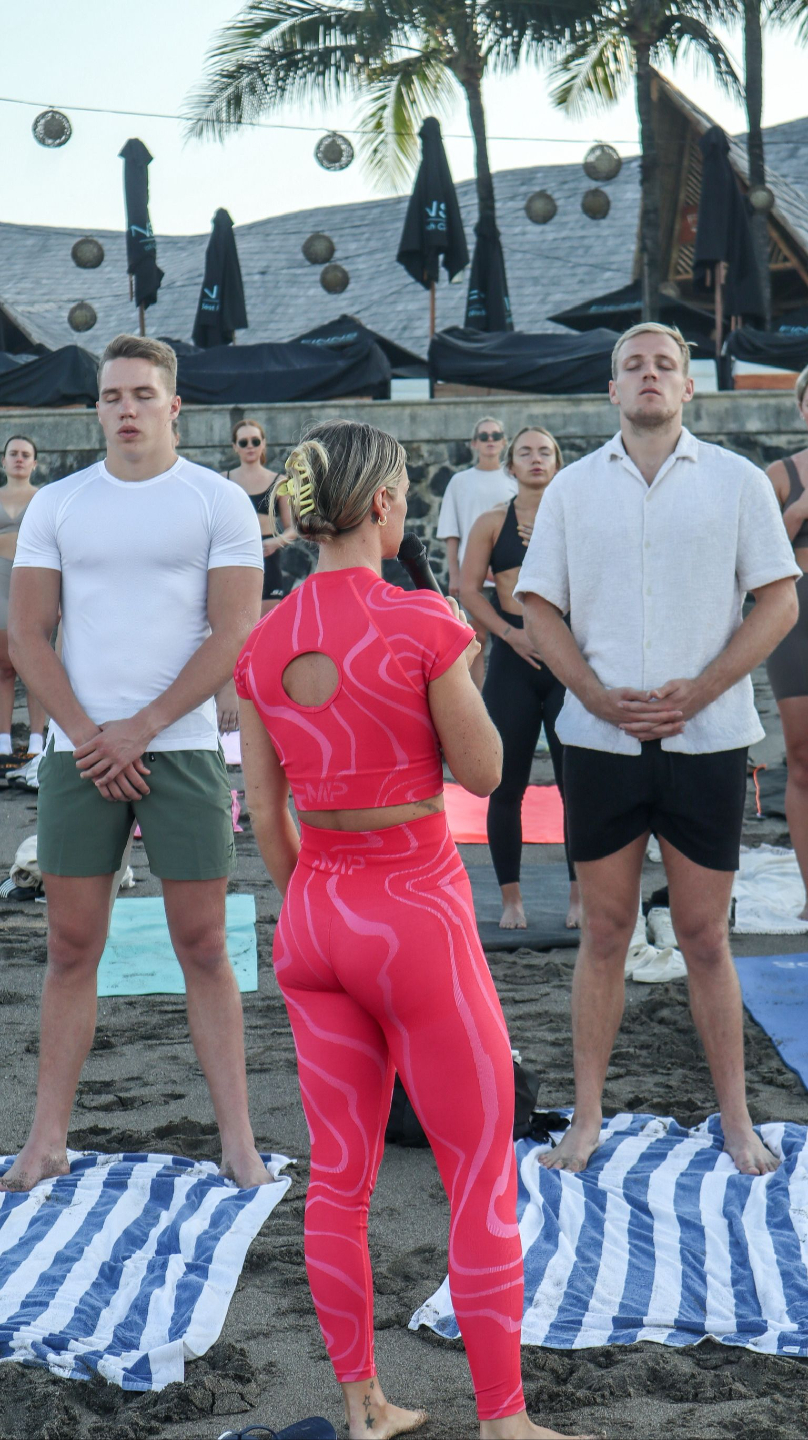
Fundamentals of Breathwork:
Science of the Breath
This module explores how deliberate changes to breathing rate, depth, rhythm, and timing can influence physiological and psychological responses. Students will learn the science behind different breathwork approaches and how to understand their potential applications and limitations.
-
What Is Breathwork? Different Approaches & Applications
-
Breathing Rate, Depth, Rhythm & Respiratory Control
-
Nasal vs Mouth Breathing: Context, Function & Considerations
-
The Relationship Between Breathing, CO₂ & Air Hunger
-
Breathing Patterns, Stress & Emotional State
-
Respiratory Sinus Arrhythmia & Breathing-Related Heart Rate Changes
-
Breathwork, Attention, Interoception & Body Awareness
-
Breathwork and Autonomic Responses
-
The Difference Between Functional Breathing & Breathwork Practices
-
Understanding Breath Holds, Pauses & Changes in Ventilation
-
Potential Benefits, Limitations & Individual Variability
-
Matching the Breathing Approach to the Intended Outcome
MODULE 6
Functional Breathing
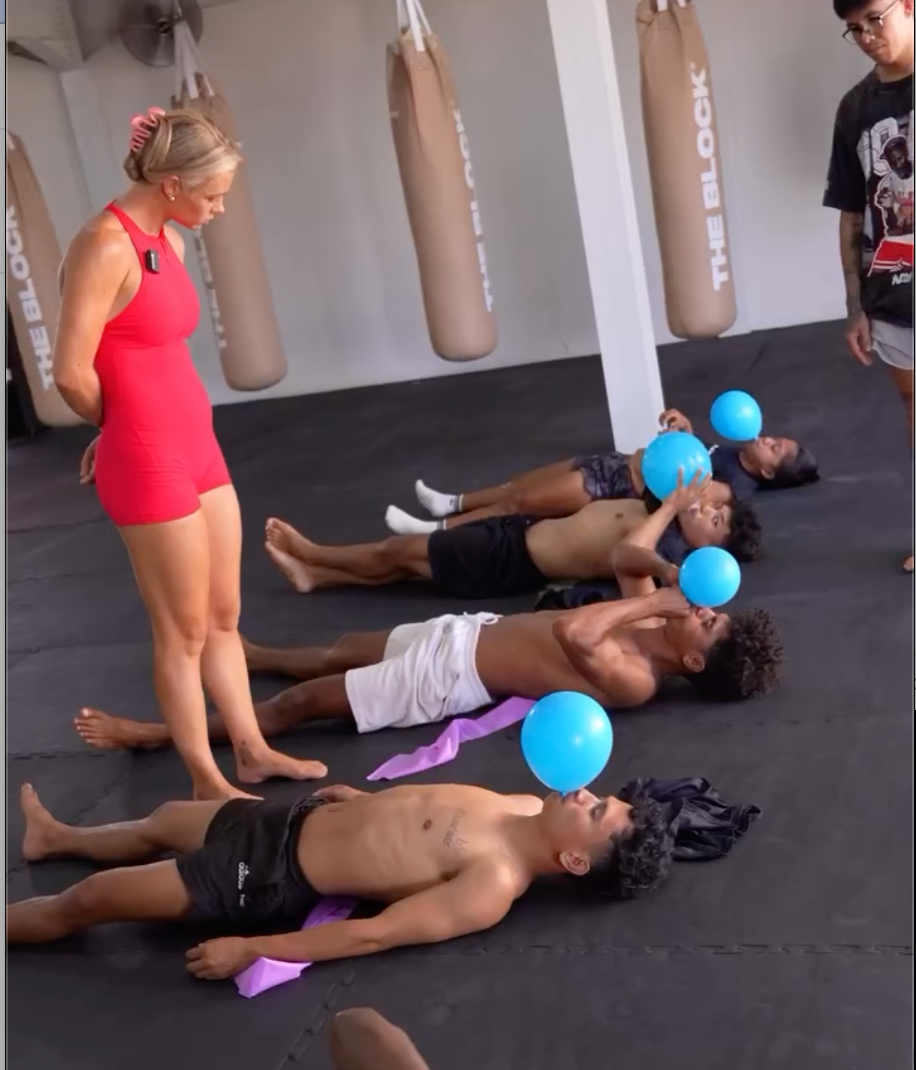
This module focuses on how we breathe during everyday life, rest, movement, exercise, and recovery. Students will learn to assess breathing patterns, identify common inefficiencies, and apply practical strategies to support more comfortable, coordinated, and context-appropriate breathing.
- What Is Functional Breathing?Characteristics of Efficient, Comfortable Breathing
- Breathing Mechanics: Diaphragm, Rib Cage & Abdominal Movement
- 360° Rib Cage Expansion & Respiratory Coordination
- Lung Capacity & Flexibility
- Co2 Tolerance training
- Enhancing Aerobic Capacity
- Nasal Breathing: Benefits, Applications & Limitations
- Breathing Rate, Volume & Overbreathing
- Identifying Common Breathing Pattern Variations
- Breath Awareness & Functional Breathing Assessments
- The BOLT Score: Purpose, Procedure & Limitation
- Understanding Air Hunger & CO₂ Tolerance
- Breathing Mechanics During Posture, Movement & Exercise
- Functional Breathing for Recovery & Everyday Stress
- Practical Functional Breathing Exercises
- Establishing a Baseline & Tracking Progress Over Time

MODULE 7
Fundamentals of Cold Exposure
This module delves into the science and applications of cold exposure, covering its physiological, psychological, hormonal, and neurological effects, the cold shock response, gasp reflex management, and BPM Method approaches for effective and safe cold exposure.
-
Potential Benefits of Cold Exposure: Physiological, Psychological, Hormonal & Neurological
-
Cold Exposure & The Stress Response
-
The Cold Shock Response
-
The Gasp Reflex & Its Management
-
Peripheral Vasoconstriction & The Body's Response to Cold
-
Cold Exposure, Heart Rate & Cardiovascular Responses
-
Cold Exposure, Thermoregulation & Heat Loss
-
Cold Water Temperature, Duration & Individual Tolerance
-
Cold Exposure Protocols
-
Cold Exposure for Recovery & Exercise: Timing and Considerations
-
Cold Exposure for Women: Considerations Across the Menstrual Cycle
-
Rewarming, Recovery & Recognising Adverse Responses
-
The BPM Method for Cold Exposure
MODULE 8
Fundamentals of Heat Exposure
This module explores the physiological effects of heat exposure, including sauna use, thermoregulation, cardiovascular responses, and the body's adaptation to heat. Students will learn how to apply heat exposure safely, understand individual tolerance, and select appropriate protocols for different contexts.
- The Science of Heat Exposure
- Thermoregulation & How the Body Manages Heat
- Sauna Types: Traditional Sauna, Infrared Sauna & Other Heat Modalities
- Heat Stress & The Cardiovascular Response
- Heart Rate, Vasodilation & Skin Blood Flow
- Sweating, Fluid Balance & Dehydration
- Heat Exposure & The Stress ResponseHeat Shock Proteins & Cellular Stress Responses
- Physiological, Psychological, Recovery & Longevity Benefits
- Heat Acclimation & Individual Tolerance
- Heat Exposure: Temperature, Duration & Frequency
- Hydration, Electrolytes & Recovery Considerations
- Contraindications, Warning Signs & When to Stop
- Sauna Protocols for Beginners & Experienced Participants
- The BPM Method for Heat Exposure
MODULE 9
Female Hormones, The Menstrual Cycle & Stress Resilience
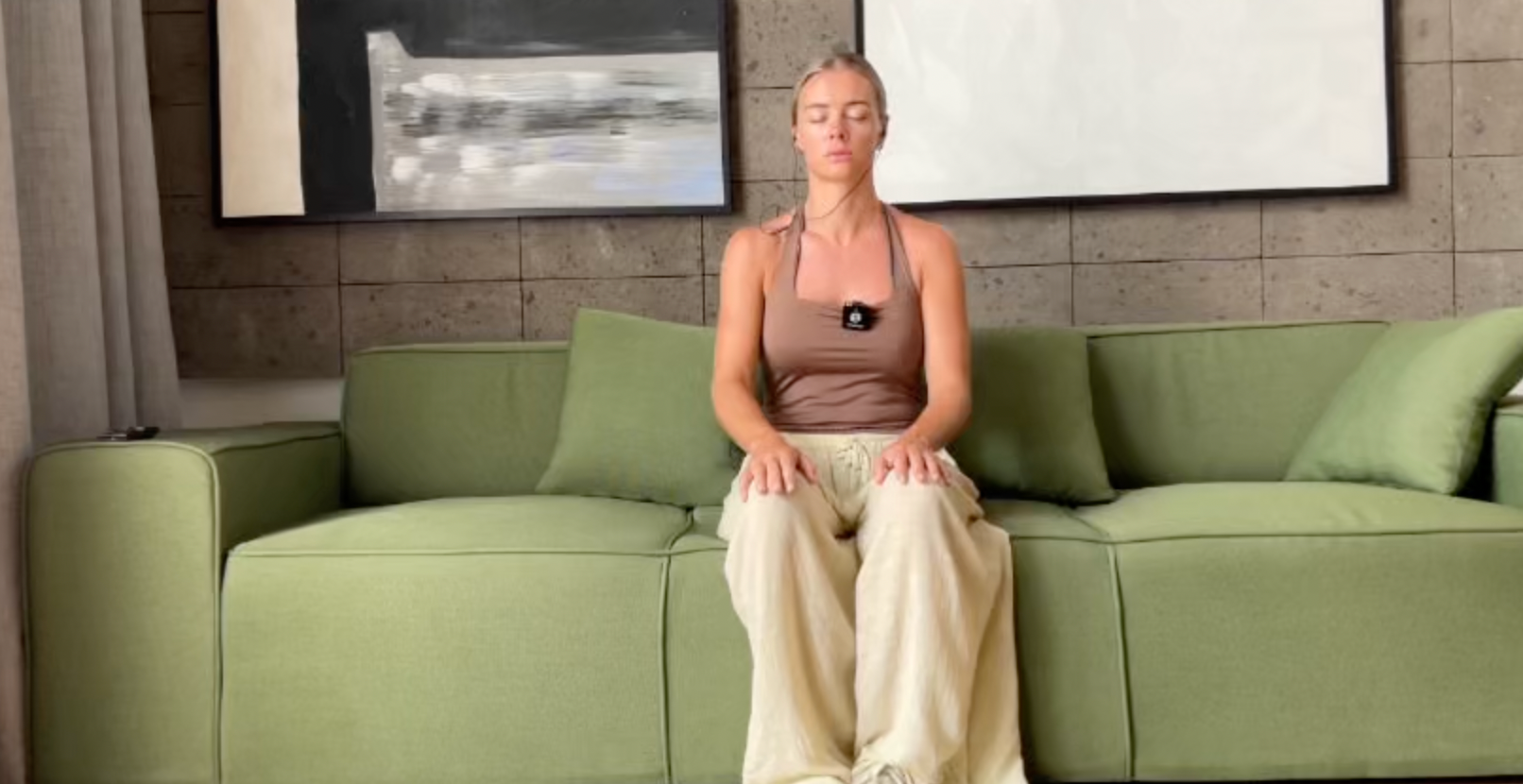
This module explores how hormonal fluctuations across the menstrual cycle may influence breathing, thermoregulation, perceived exertion, stress tolerance, recovery, and individual responses to heat and cold. Students will learn to adapt practices to the individual rather than apply a one-size-fits-all protocol.
-
Overview of the Female Reproductive Hormones: Oestrogen & Progesterone
-
The Phases of the Menstrual Cycle
-
Hormonal Fluctuations & Thermoregulation
-
The Menstrual Cycle, Body Temperature & Heat Tolerance
-
The Menstrual Cycle, Breathing & Respiratory Responses
-
Hormones, Stress Responses & Perceived Stress
-
The Menstrual Cycle, Sleep, Energy & Recovery
-
Cold Exposure Across the Menstrual Cycle
-
Heat Exposure Across the Menstrual Cycle
-
Sauna & Cold Plunge Considerations During Menstruation
-
Adapting Breathwork to Energy, Symptoms & Individual Needs
-
Recognising Individual Variation & Avoiding Rigid Cycle-Based Rules
-
Practical Considerations for Perimenopause & Menopause
-
Screening, Contraindications & When to Seek Medical Guidance
-
Creating Flexible, Individualised Protocols for Women
MODULE 10
Up Regulating Breathwork
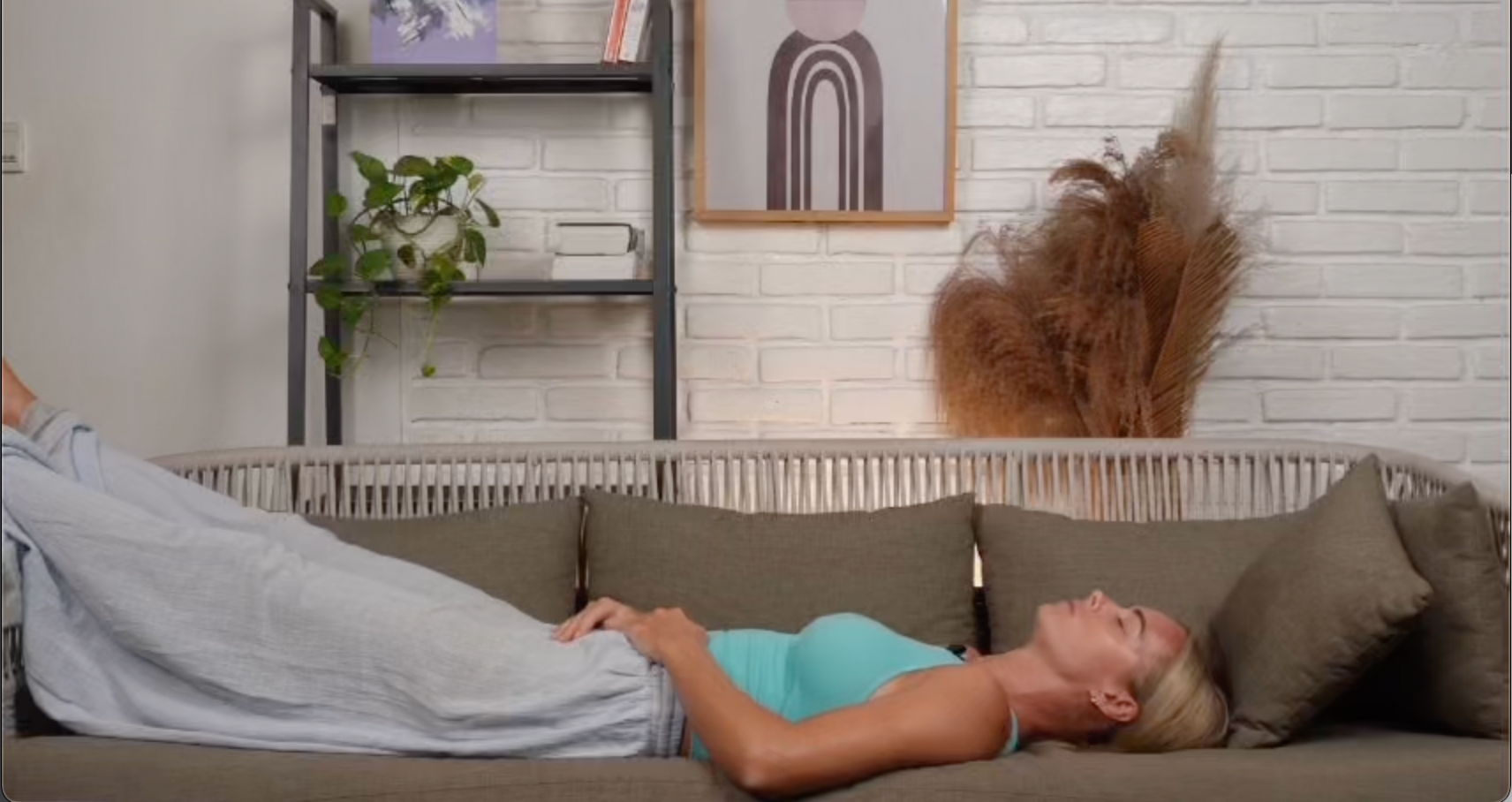
This module explores activating breathwork approaches and how changes in breathing rhythm, depth, and pace can influence arousal, alertness, energy, and subjective experience. Students will learn how to select and facilitate appropriate practices while understanding their physiological effects, risks, and contraindications.
- What Is Upregulating Breathwork
- The Science of Activation & Arousal
- Breathing Patterns That Increase Ventilation
- The Relationship Between Ventilation, CO₂ & Blood pH
- Hyperventilation, Hypocapnia & Cerebral Blood Flow
- Physiological & Psychological Responses to Activating Breathwork
- Energising Breathwork vs High-Intensity Breathwork
- Breathwork for Alertness, Energy & Preparation for Movement
- Activating Practices: Structure, Intensity & Duration
- Contraindications, Cautions & Participant Screening
- Recognising Dizziness, Tingling, Panic & Other Adverse Responses
- Facilitator Language, Consent & Participant Choice
- Appropriate Recovery & Downregulation Following Activation
- Practical Upregulating Breathwork Protocols
MODULE 11
Down Regulating Breathwork
This module explores activating breathwork approaches and how changes in breathing rhythm, depth, and pace can influence arousal, alertness, energy, and subjective experience. Students will learn how to select and facilitate appropriate practices while understanding their physiological effects, risks, and contraindications.
- What Is Downregulating Breathwork
- The Science of Slower Breathing & Respiratory Regulation
- Breathing Rate, Depth & Respiratory Effort
- Comfortable Nasal Breathing & Breath Awareness
- Diaphragmatic Breathing & 360° Rib Cage Expansion
- Paced Breathing & Rhythmic Breathing Patterns
- Extended Exhalations: Applications & Individual Tolerance
- Gentle Breath Pauses & Considerations for Safe Practice
- Breathing, Heart Rate & Heart Rate Variability
- Breathwork for Stress Management & Emotional RegulationBreathwork for Post-Exercise Recovery
- Breathwork for Rest, Sleep Preparation & Everyday Regulation
- Adapting Practices for Anxiety, Panic Sensitivity & Different Needs
- Practical Downregulating Breathwork Protocols
- Monitoring Responses & Progressing Practices Appropriately
MODULE 12
Contrast Therapy Protocols: Sauna & Cold Plunge
This module explores the combined application of heat and cold exposure, including the physiological demands of transitioning between temperatures, sequencing, recovery periods, and individual tolerance. Students will learn how to plan and facilitate contrast therapy sessions with clear objectives, appropriate screening, and robust safety procedures.
-
What Is Contrast Therapy?
-
The Science of Alternating Heat & Cold Exposure
-
Cardiovascular Responses to Heat–Cold Transitions
-
Sauna & Cold Plunge: Sequencing Considerations
-
Temperature, Duration & Exposure Progression
-
Beginner, Intermediate & Experienced Protocol Considerations
-
Recovery Periods Between Heat & Cold
-
Hydration, Rewarming & Post-Session Recovery
-
Contrast Therapy for General Wellbeing & Recovery
-
Contrast Therapy Around Exercise: Timing & Considerations
-
Breathwork Before, During & After Thermal Exposure
-
Safe Breathing Practices During Cold Immersion
-
Why Hyperventilation & Breath Holds Must Never Be Performed in Water
-
Screening, Contraindications & Risk Management
-
Facilitating Individual & Group Contrast Therapy Sessions
-
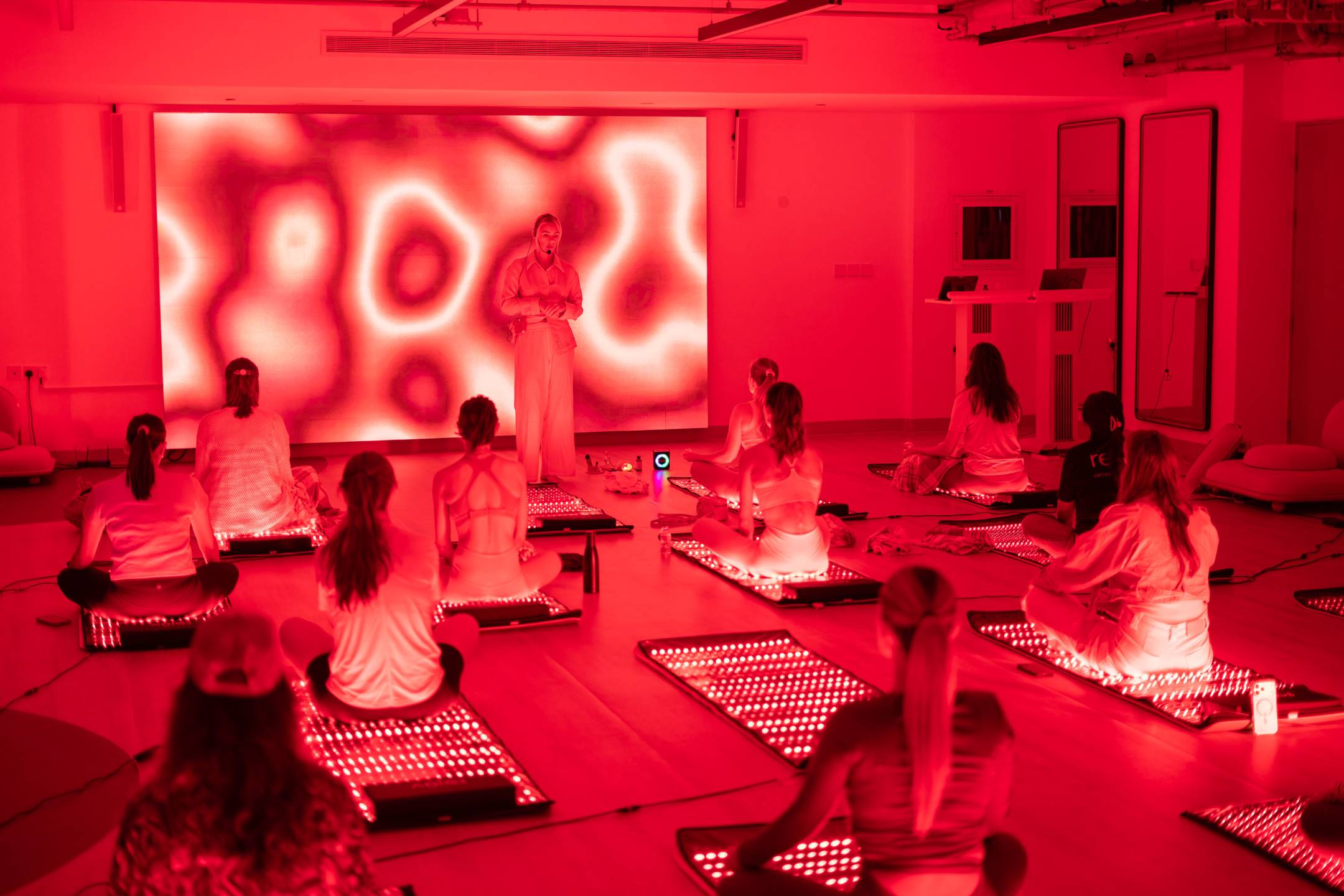
Building Goal-Specific Sauna & Cold Plunge Protocols
MODULE 13
BPM Protocols: From Theory to Application
This module teaches students how to select, structure, adapt, and facilitate breathwork sessions for different settings and intended outcomes. Students will learn to move beyond following a single script and develop appropriate protocols based on participant needs, session objectives, safety, and context.
- Understanding the Purpose of a Breathwork Protocol
- Assessing Participant Needs & Defining Session Outcomes
- Selecting Upregulating, Downregulating or Functional Breathing Practices
- Structuring a Session: Introduction, Assessment, Practice & Integration
- Breathwork for Post-Workout Recovery
- Breathwork for Yoga Classes
- Breathwork for Pilates Classes
- Breathwork for Group Fitness & Exercise ClassesBreathwork for HYROX & Athletic Performance SettingsBreathwork for Workshops, Retreats & Wellness Events
- Breathwork for Corporate Wellness & Stress Management
- Breathwork for One-to-One Sessions
- Breathwork for Rest, Recovery & Nervous System Regulation
- Adapting Protocols for Different Experience Levels
- Timing, Transitions, Cueing & Facilitator Language
- Modifying or Stopping a Protocol When Needed
- Creating, Practising & Evaluating Your Own BPM Protocols
MODULE 14
Practical Application & Facilitating sessions
This module brings together the knowledge and practical skills developed throughout the training. Students will learn to translate theory into safe, purposeful sessions, guide participants through breathing and thermal exposure experiences, and develop confidence through preparation, practice, observation, and feedback.
-
The Role & Responsibilities of a BPM Facilitator
-
Preparing the Space, Equipment & Session Environment
-
Participant Screening, Briefing & Informed Consent
-
Conducting Breathing Assessments & Establishing a Baseline
-
Choosing the Right Practice for the Individual or Group
-
Guiding Functional Breathing & Breathwork Sessions
-
Facilitating Sauna, Cold Exposure & Contrast Therapy
-
Verbal Cueing, Demonstration & Clear Instructions
-
Observing Participant Responses & Adjusting in Real Time
-
Using Heart Rate & Other Available Biofeedback Tools
-
Subjective Check-Ins: Stress, Energy, Comfort & Perceived Exertion
-
Understanding the Limitations of Physiological Data
-
Managing Unexpected Responses & Following Safety Procedures
-
Group Facilitation, Inclusion & Participant Autonomy
-
Building Confidence Through Practice & Feedback
-
Session Planning, Reflection & Continuous Improvement
-
Integrating the BPM Method Across Different Professional Settings
-
Developing Your Own Facilitation Style Within the BPM Framework
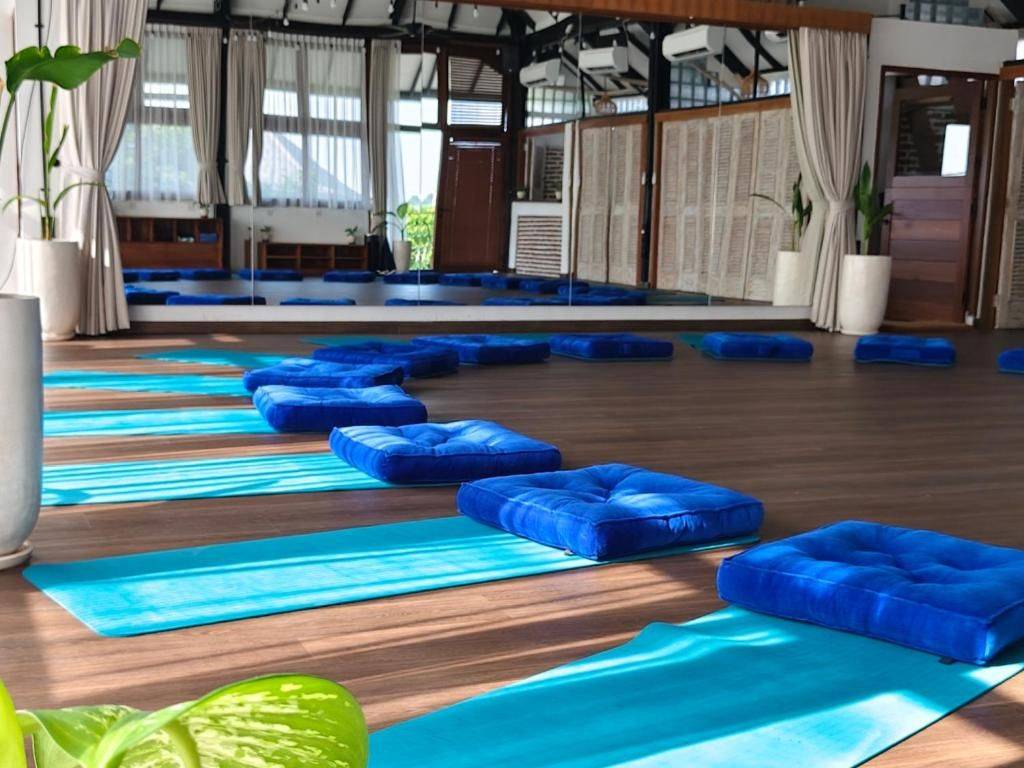
Immersive Experience in
Bali
15th & 16th July 2027
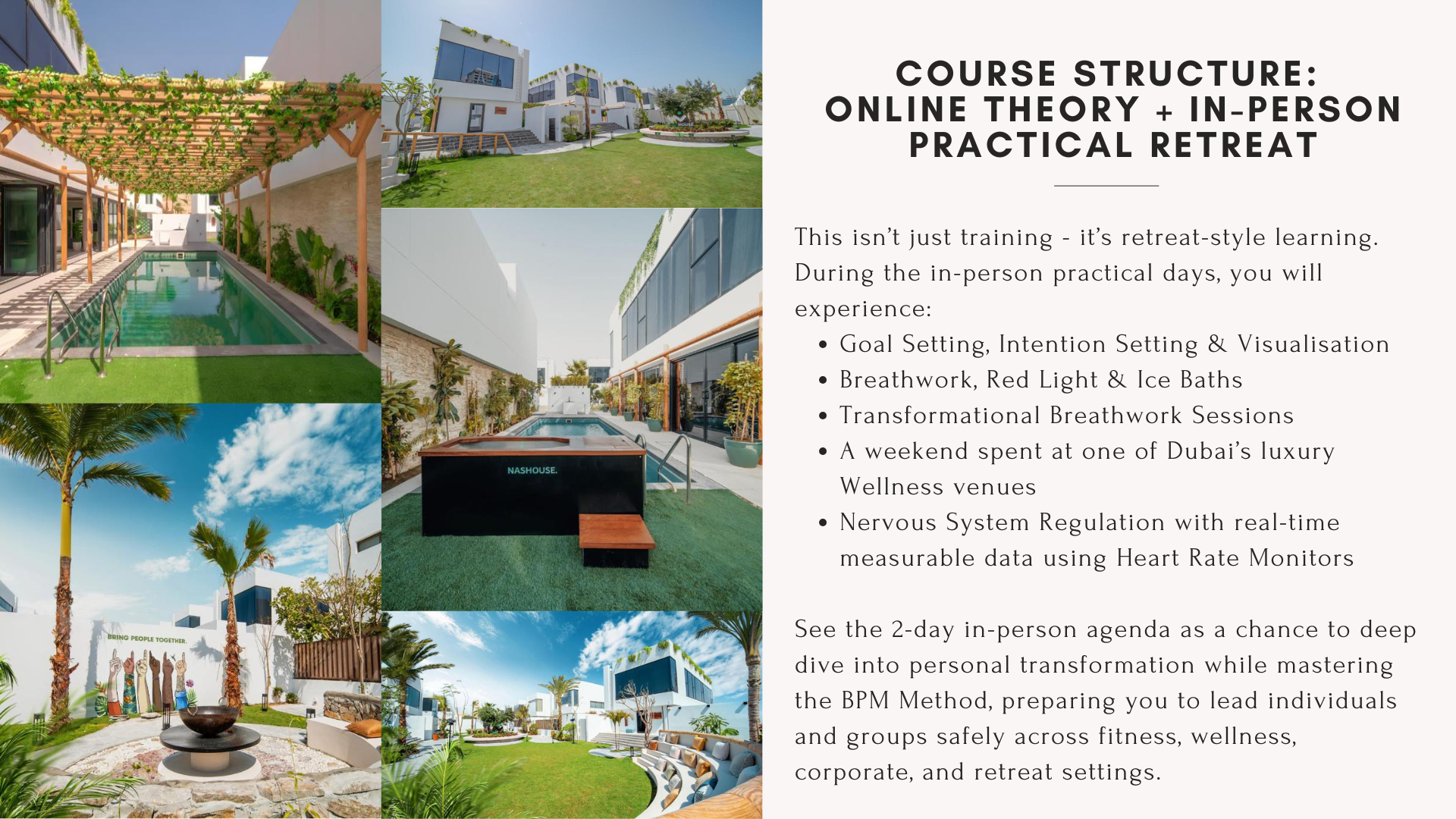
Immersive Experience in
Galway
12th & 13th June 2027
The in-person practical part of the course in Galway will run over 3 days where alongside the learning material you will experience:
- Goal setting, Intention setting & Visualisation
- Breathwork, Contrast Therapy + Thermal rotations
- Sauna + Ice baths
- Transformational Breathwork session
- Breakfast & Lunch on-site
- Spa Day & Thermal experience in one of Connemara's stunning Seaside Luxury Hotel
- Nervous System regulation with real time measurable data using Heart Rate monitors
Course agenda
Take a look at what we'll cover
Day 1
- Morning Breathwork & Visualisation session: Goal setting & Intention setting
- Workbook handouts and course run through
- Module 1, 2 & 3: BPM Method, Safety, The Nervous system
- Contrast Therapy session with Heart Rate monitoring: Sauna, Cold Plunge & Ice with HR monitors
- Lunch
- Short Breathwork technique for Concentration & focus before afternoon theory
- Module 4 Fundamentals of Breathwork
- Module 5 Fundamentals of Cold Exposure
- Day 1 recap, Down regulation & closing circle with Meditation & Breathwork
Day 2
- Morning Breathwork session
- Practical application of the Breath
- Practical application of the Cold
- Group sessions: design, lead & implement a Breathwork session
- Lunch
- Personal experience: Contrast Therapy & Thermal rotation with HR monitoring: Sauna & Ice
- PRACTICAL ASSESSMENTS:
- Group experience & Facilitation: practical application
- Implement a Protocol from the course for the Breath & the Cold and explain the rationale
- Guided ice bath sessions: lead a 1-1 and a group ice bath session with a chosen Breath from the course
- Closing Transformational Breathwork session
00
DAYS
00
HOURS
00
MINS
00
SECS
THIS IS YOUR CALLING!
Become a Level 1 Breath + Ice Instructor
EARLY BIRD PRICES - OCTOBER 2026
Meet some BPM instructors
Niamh
Learn more about Facilitator Niamh, why she chose to become a BPM Instructor, and where to find her classes + workshops
Helen
Learn more about Instructor Helen
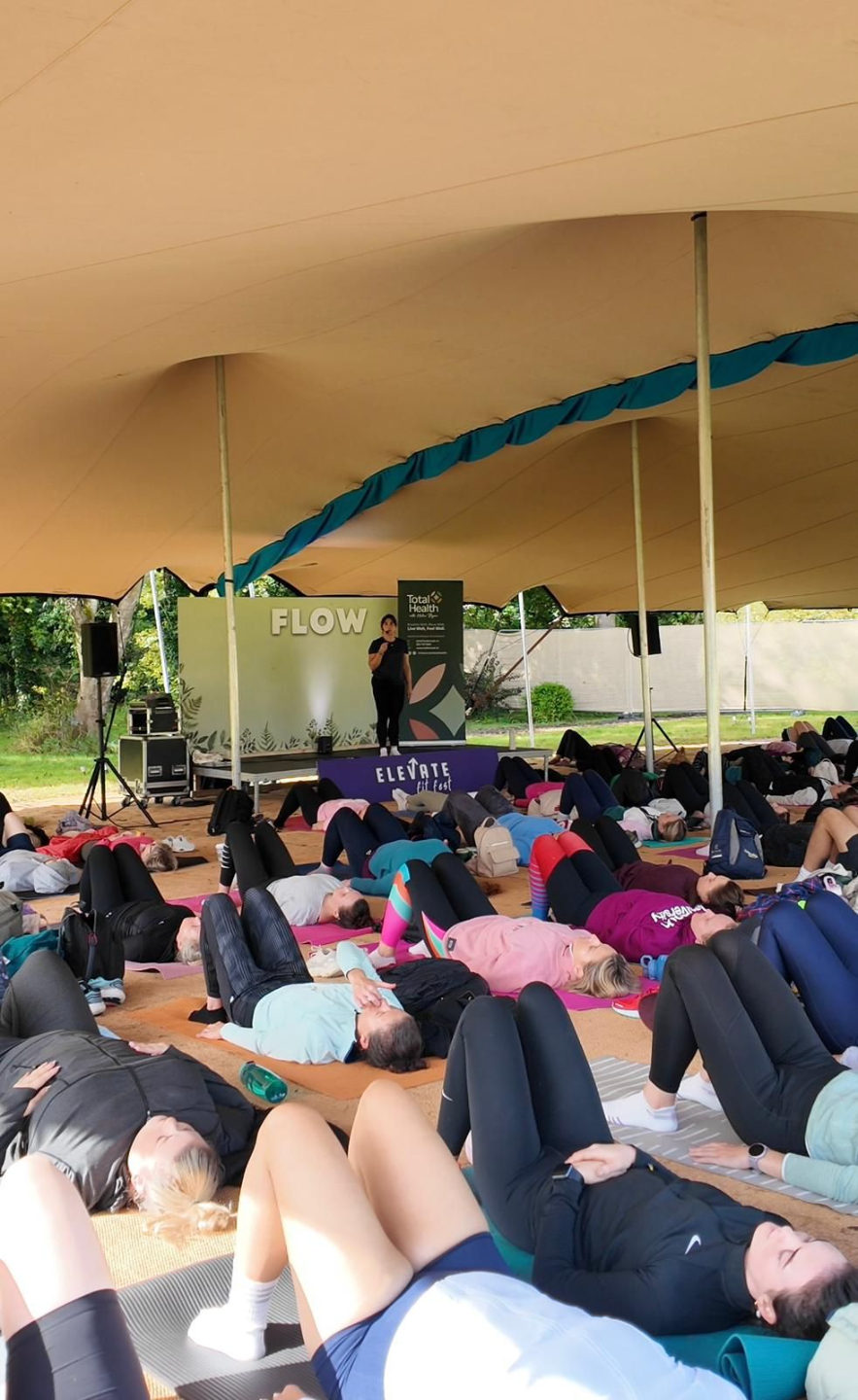
Aoife
Learn more about Instructor Aoife
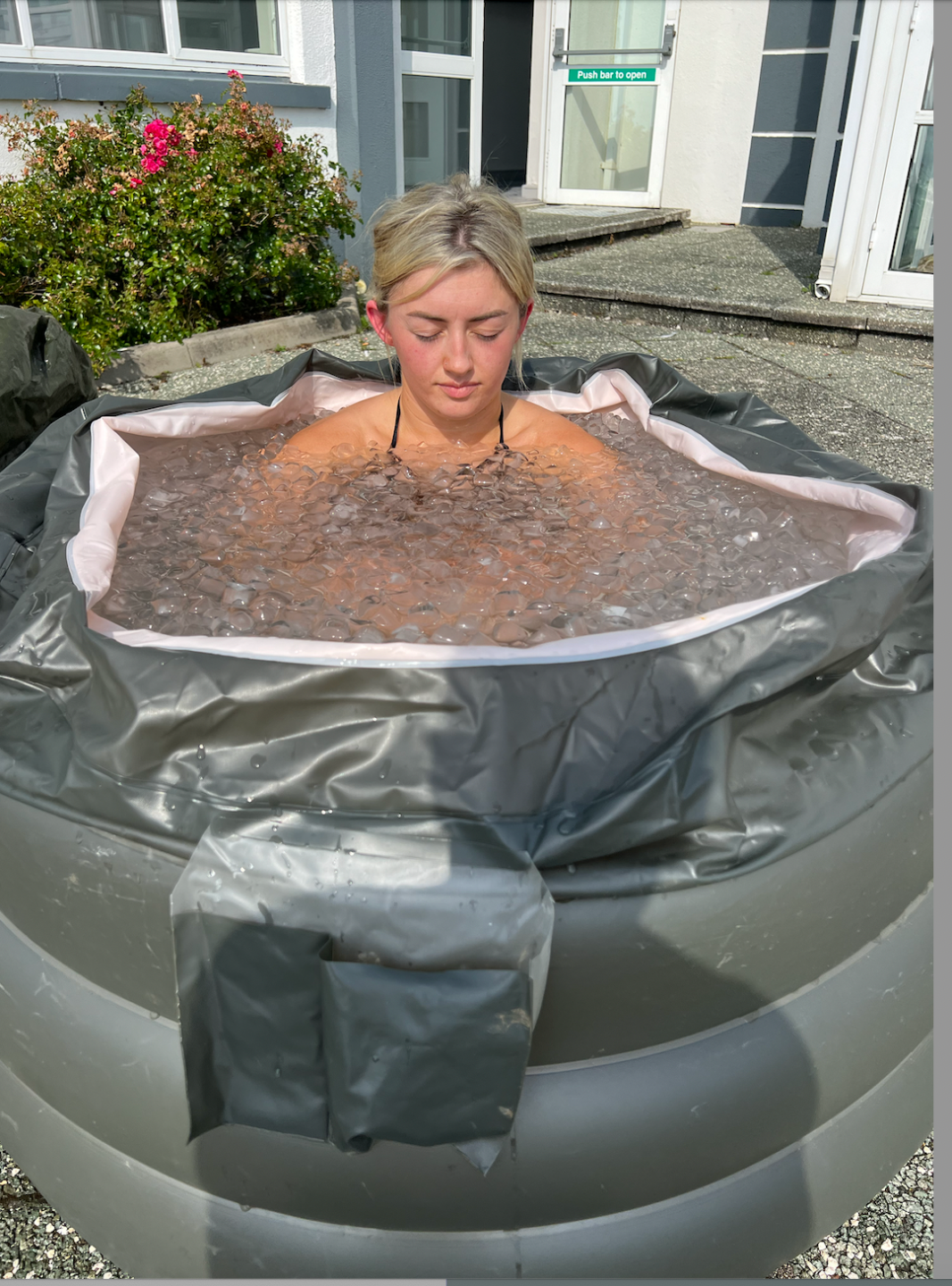
Fiona
Learn more about Instructor Fiona
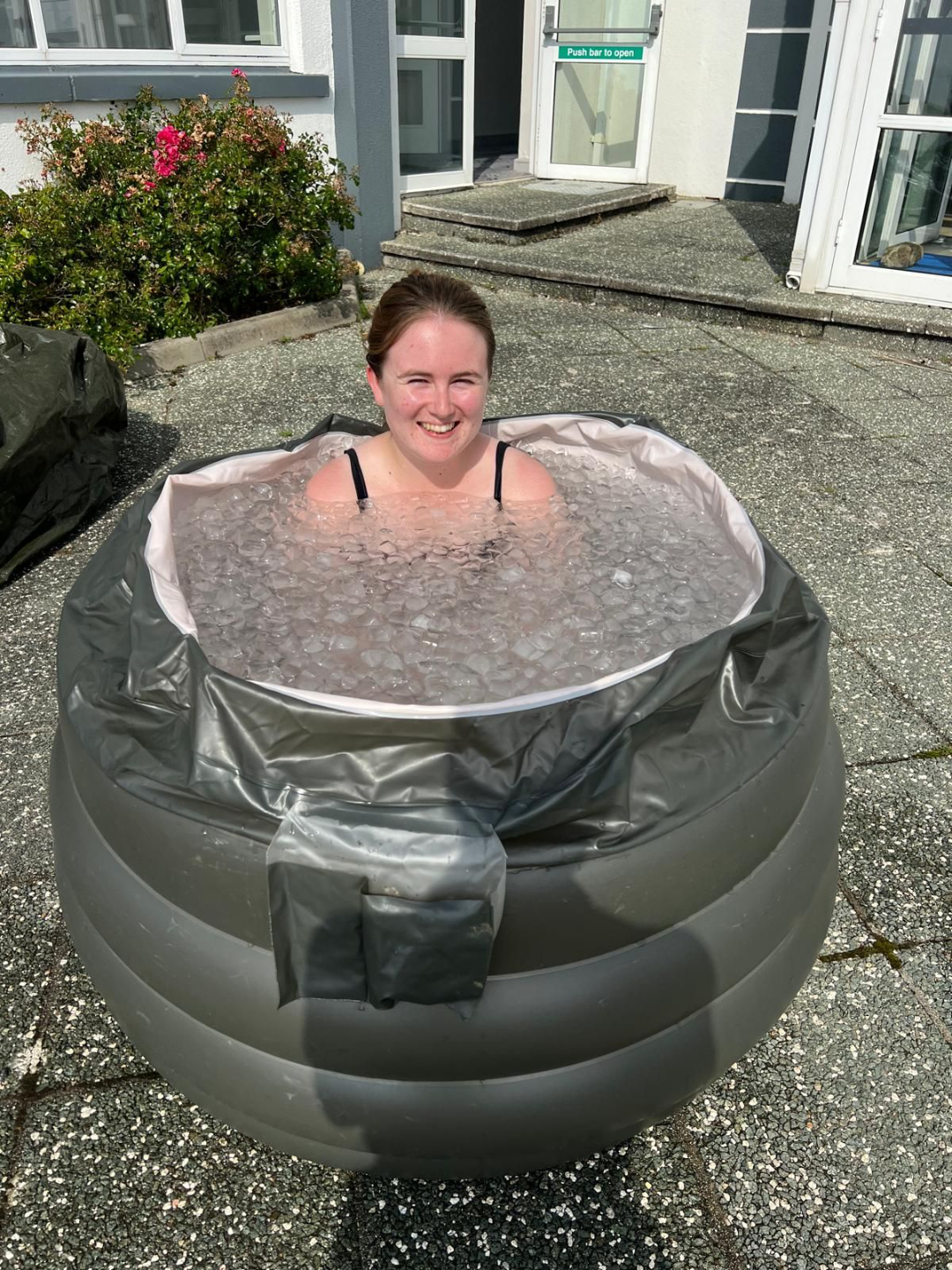
FAQ'S
Please read all questions carefully. If you can't find your answer, please reach out by dropping us an email.